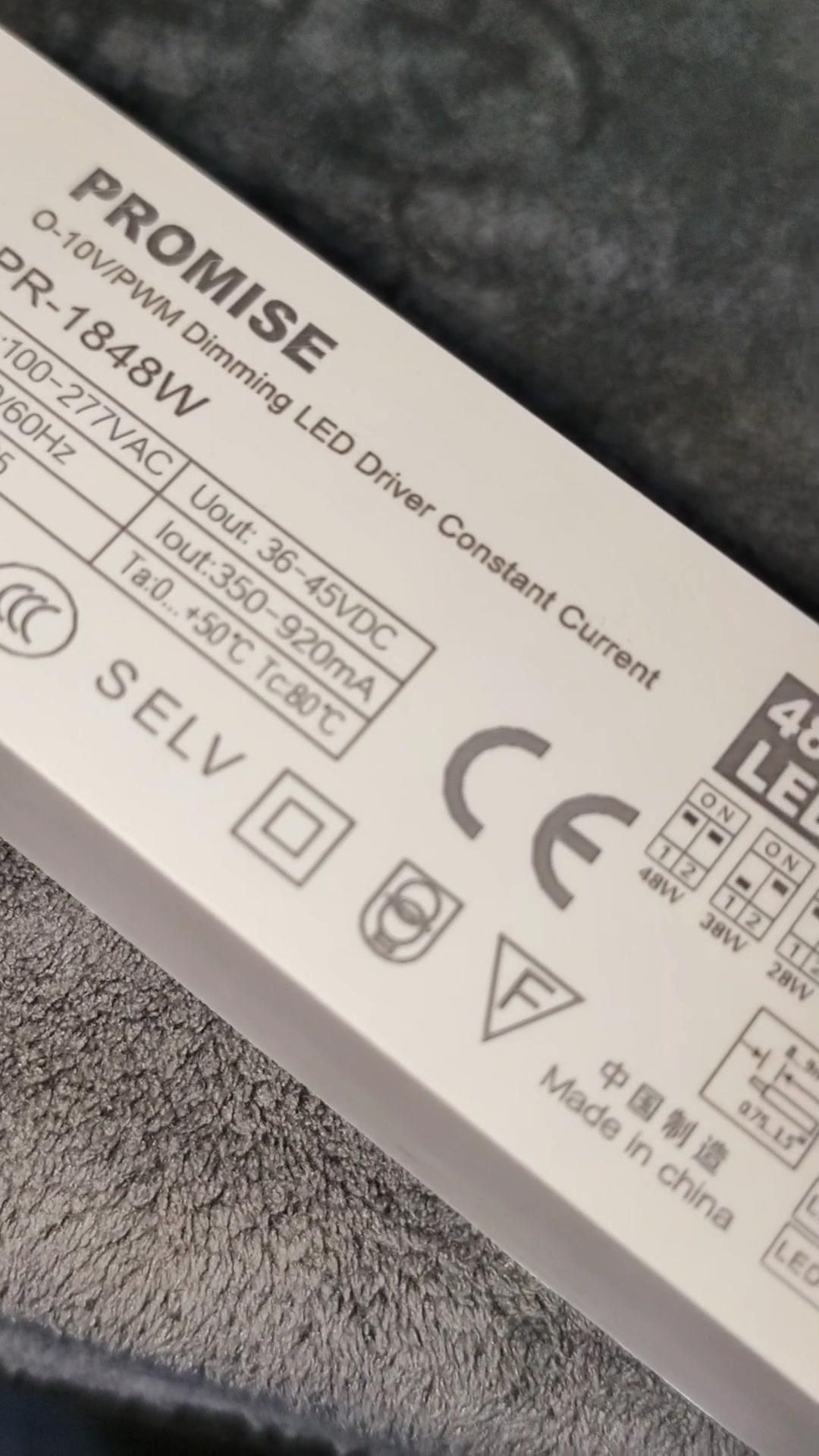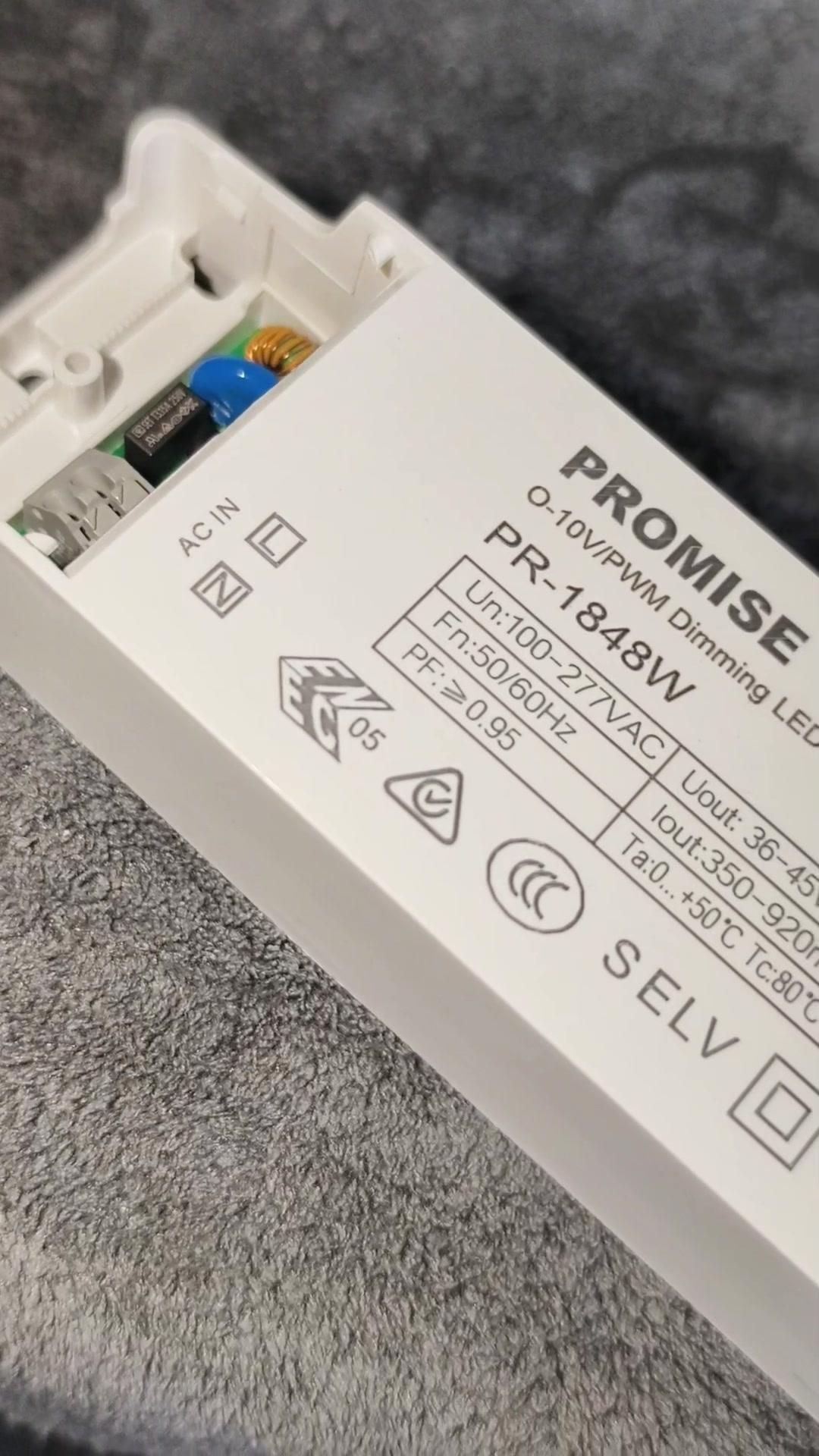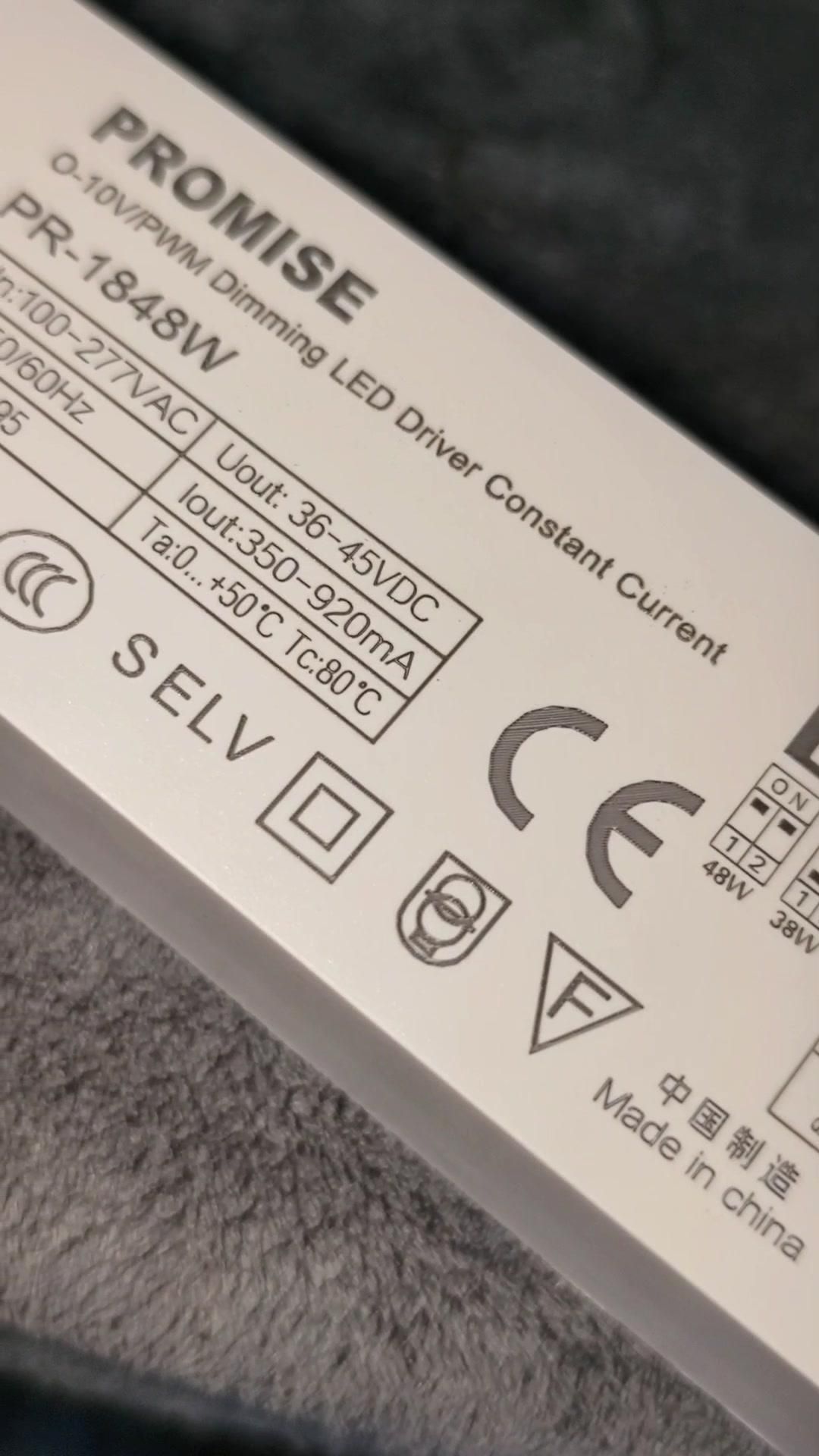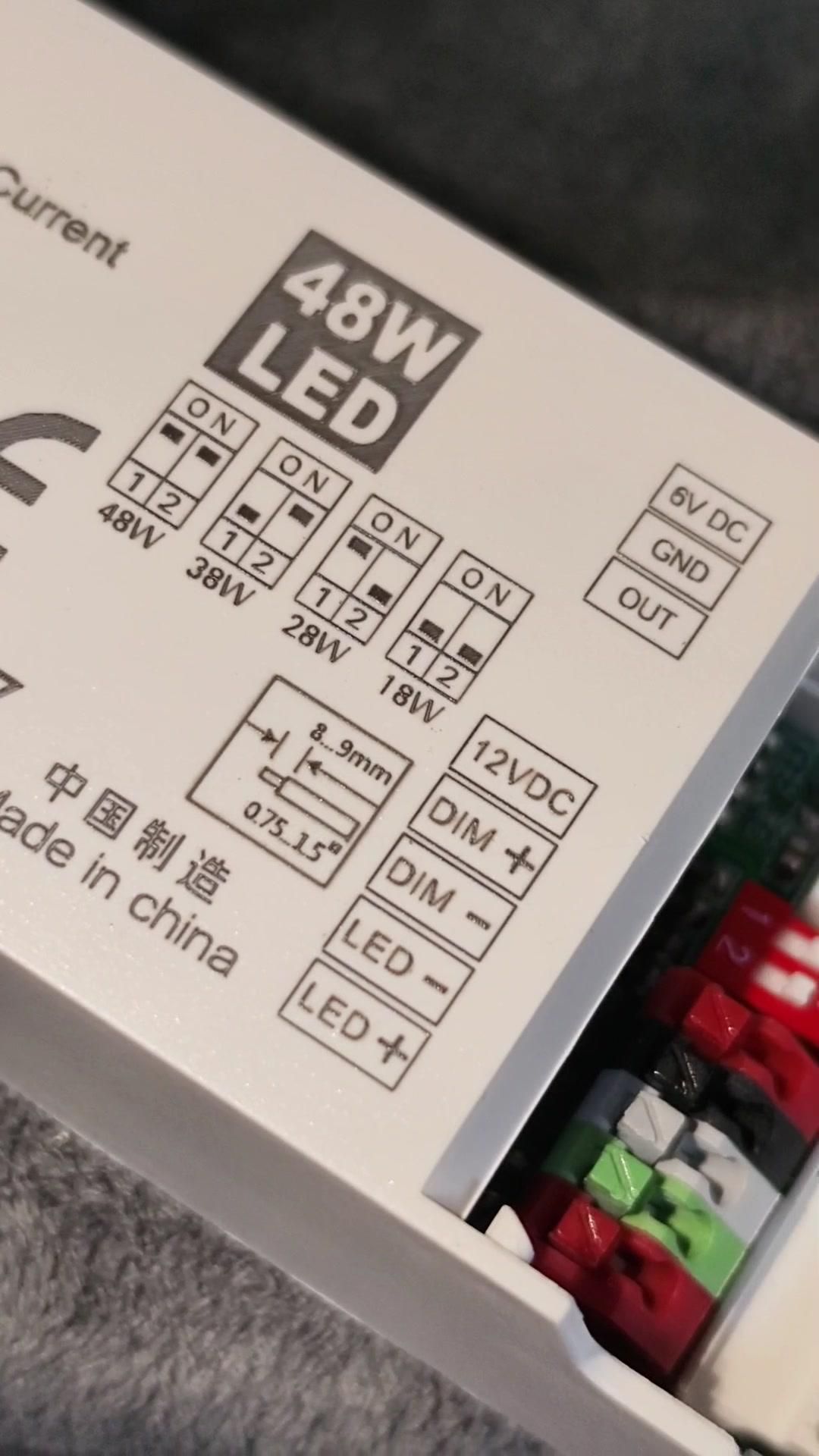
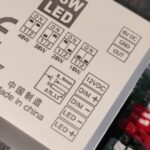
PROMISE 0-10V Dimming LED Driver Constant Current with 12V Auxiliary Output
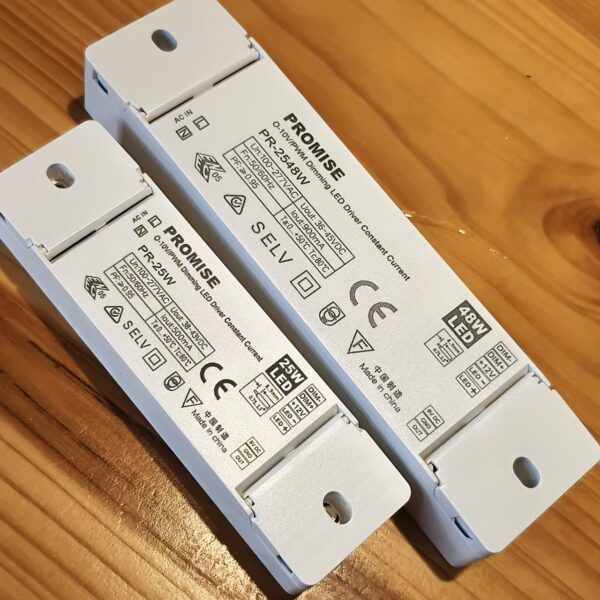
| Model | Input Volt | Output Volt | Output Current | PF | Size |
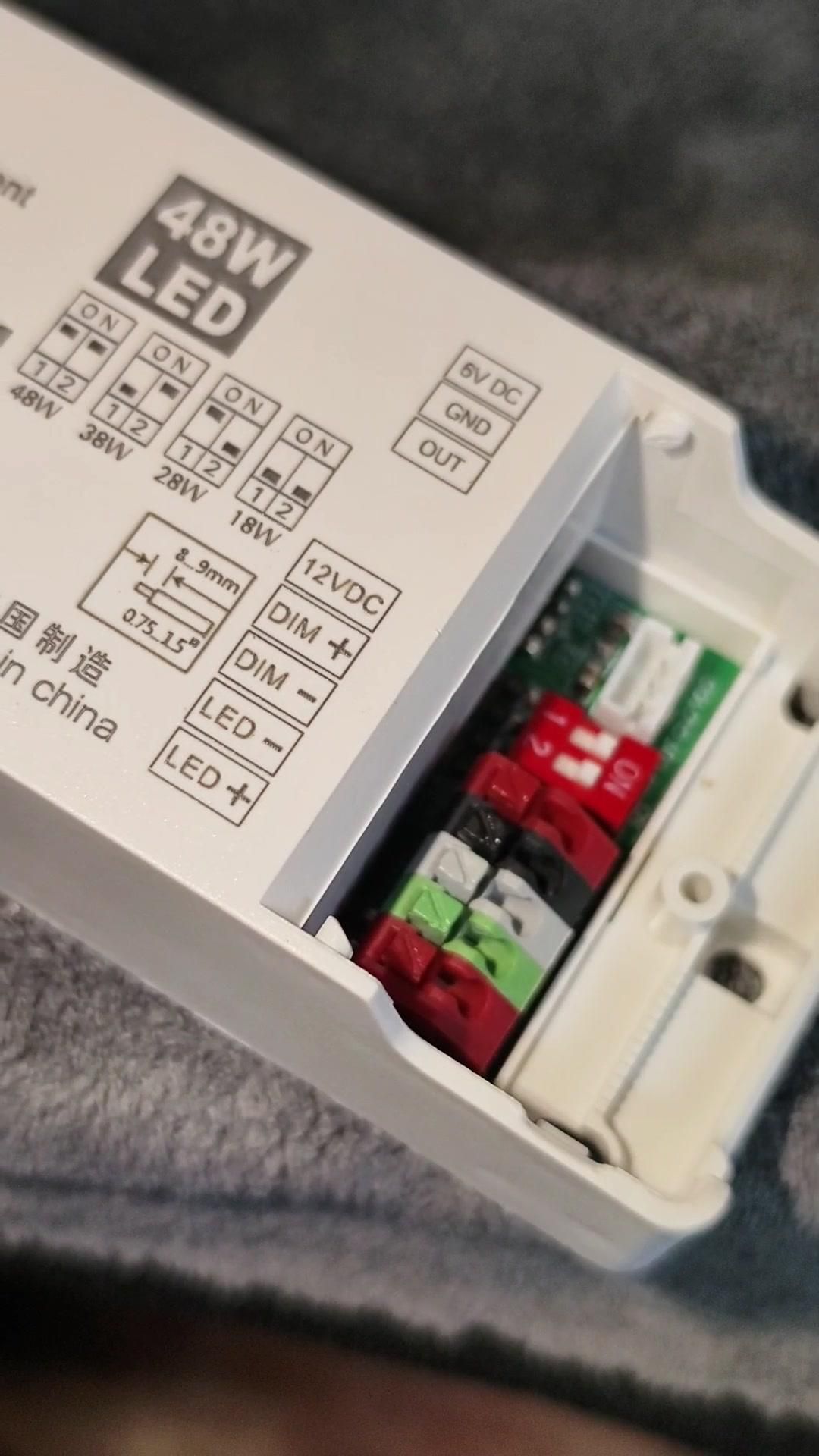
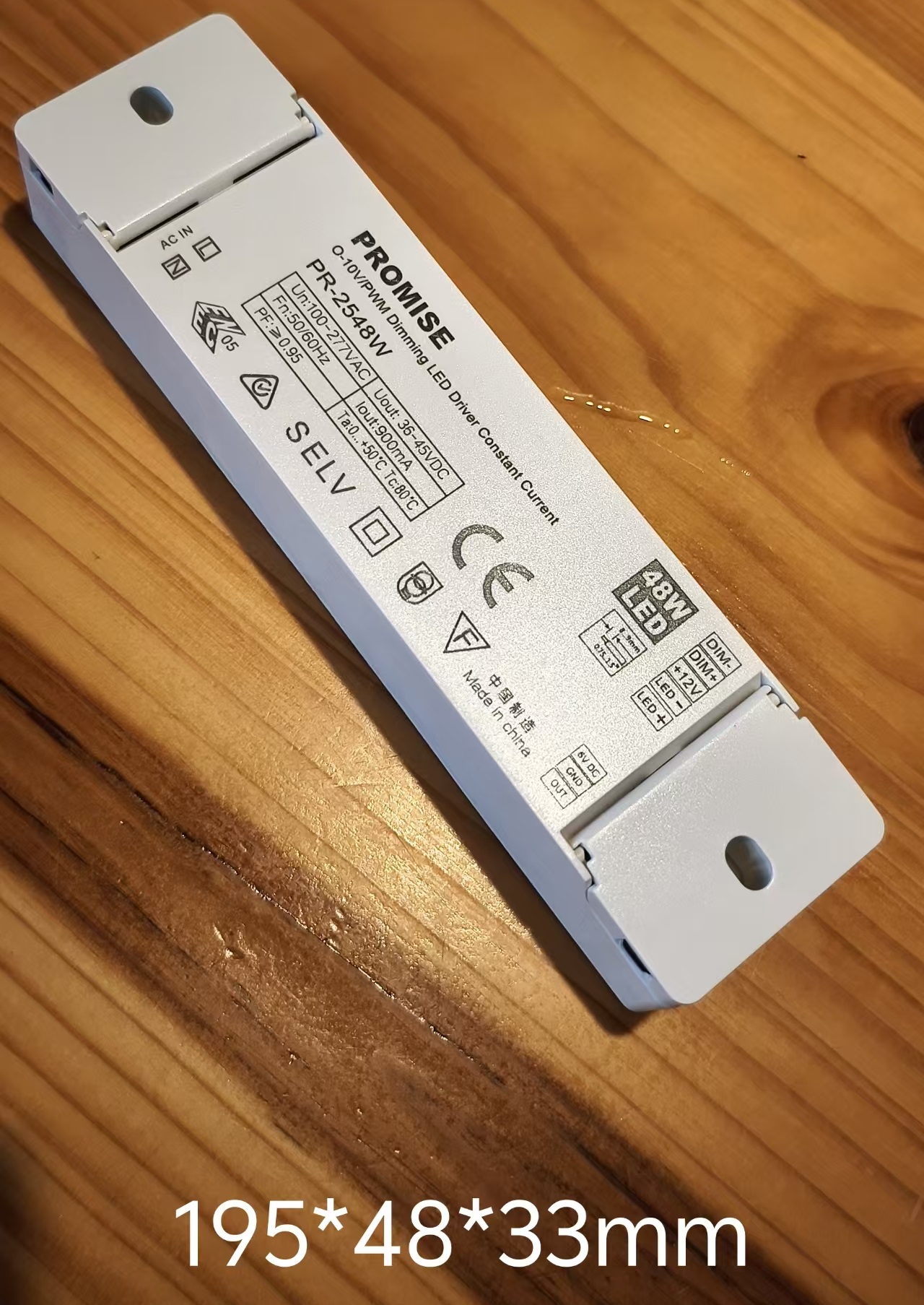
| PR-2548W | AC 100-277V | DC 36-45V | 500~1000mA adjustable, max 45watt | ≥0.95 | 195*48*33mm |
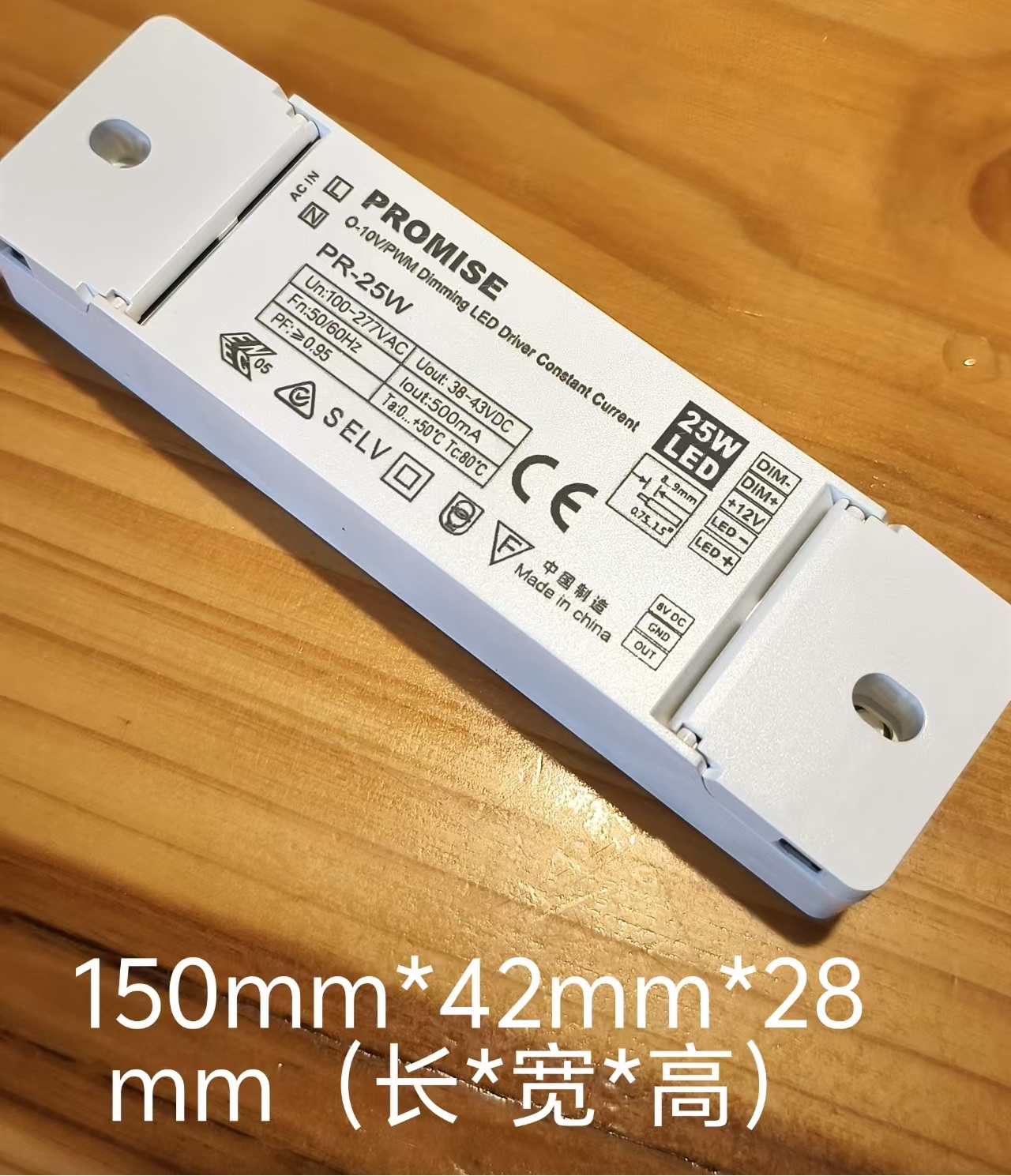
| PR-25W | AC 100-277V | DC 38-43V | 100-500mA adjustable, max 25watt | ≥0.95 | 150*42*28mm |
The 0-10V LED driver with a 12V auxiliary power supply can be used to power wireless Bluetooth sensors (such as Casambi, Silvair) and PIR/microwave sensors that require auxiliary power, making wiring extremely convenient.
Key Advantages of Our 0-10V LED Driver with 12V Auxiliary Power Supply:
-
Simplified System Design – The built-in 12V auxiliary power supply eliminates the need for an additional power module, reducing component count and saving space.
-
Easy Wiring – Sensors can draw power directly from the driver, while the 0-10V dimming signal lines handle control commands, streamlining installation and reducing labor costs.
-
Strong Compatibility – Compatible with mainstream wireless control ecosystems such as Casambi and Silvair, as well as a wide range of PIR and microwave sensors.
-
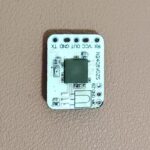
Enhanced Reliability – Fewer components mean fewer potential failure points, and the driver is equipped with comprehensive protection features (over-voltage, over-temperature, short-circuit protection) to ensure stable system operation.the PWM dimming signal port can connect simple PWM signal controller or sensor like: PIR pwm sensor, 5.8G microwave pwm sensor, 24G presence detection pwm sensor.
- Constant Current Output: Delivers a stable, regulated current to power high-power LED arrays or COB modules safely.
- 0-10V Dimming: Offers smooth brightness control, often dimming down to 1% or lower without audible noise or flicker.
- 12V Auxiliary Output: Supplies extra low-voltage power (typically 12VDC, up to a few hundred mA) to run add-ons like occupancy sensors, smart lighting radios, or small fans.
- Universal Input: Commonly supports wide AC voltage ranges (such as 120V–277V) for versatile commercial and residential installation.
- Commercial Office Lighting: Linear fixtures and troffers requiring networked or sensor-integrated control.
- Smart Lighting Systems: Setups that require a dedicated auxiliary line to power external Zigbee, Bluetooth, or occupancy modules.
- Architectural Installations: Indoor or damp-rated environments needing precise, flicker-free dimming.